
Getting found (SEO) Plumbing & HVAC
Local Services Ads vs SEO for Plumbing and HVAC Shops
Google Local Services Ads charge per lead and stop when your budget stops. SEO is slower but keeps working. How plumbing and HVAC shops can choose wisely.
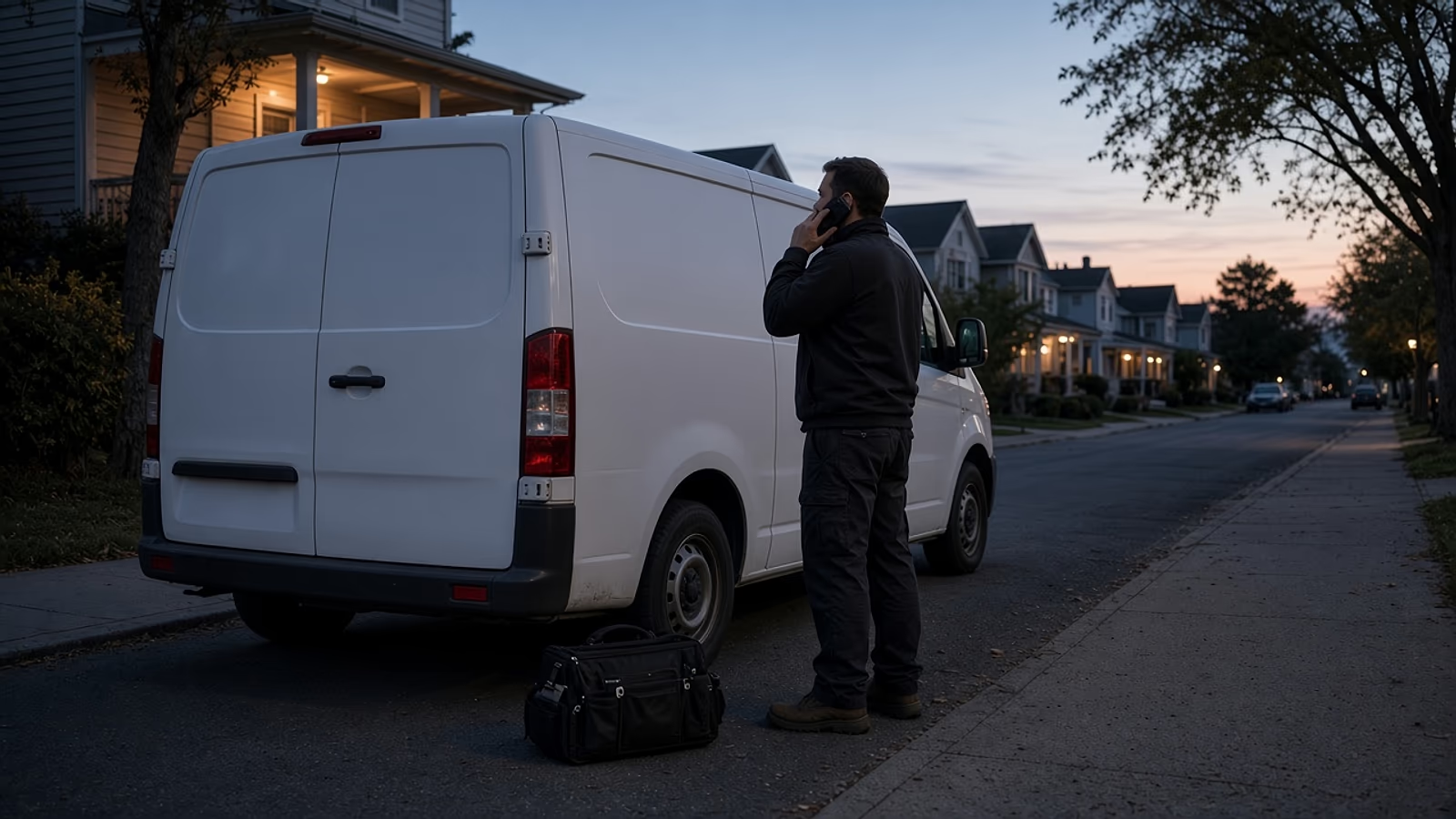
For most plumbing and HVAC shops, Local Services Ads and SEO aren’t an either-or choice. Local Services Ads can put you in a prominent spot on Google once you pass Google’s screening, but you pay for every valid lead and the calls stop when the budget does. SEO, meaning your Google Business Profile and your website, is slower and can’t be bought, but it keeps working. If you qualify, you can run both, and both run on reviews.
The real question is which one to lean on first, for which jobs, and in which season. Below is how each one works today, what Google checks before your ad can run, and a short list to help you decide without anyone’s made-up cost-per-lead numbers.
What are Google Local Services Ads?
Local Services Ads are pay-per-lead ads that show prominently on Google Search and Maps for trades like plumbing and HVAC. Customers call, message or book you straight from the ad, and you pay for valid leads, not clicks. Businesses that pass Google’s screening show a Google Verified badge next to their name.
Google’s How leads work page lists what counts as a valid lead:
- You answer a call, or you call the customer back and speak with them.
- You miss a call during your business hours and the customer stays on the line for more than 20 seconds.
- You get a text message or email from the customer.
- You get a voicemail.
- You get a booking request (United States and Canada only).
That 20-second rule is the one that catches owners out. Google says “business hours” are the hours set in your Google Business Profile. If a call goes to voicemail or an automated greeting during those hours, Google treats it as connected and charges it if the caller stays on more than 20 seconds, whether or not they leave a message. If you use a phone menu, the timer starts after the caller presses a key. So the tech who lets the phone ring out while they’re under a sink is still spending your budget.
The same page says a customer who calls or messages again from the same number or email within 15 days of the last contact isn’t charged a second time. And on price, Google’s own wording is that “lead prices may vary depending on your location, the job type, the type of lead, or your bidding mode.” You’ll see cost-per-lead tables on plenty of marketing blogs. None of them come from Google, so check the estimate inside your own account.
One name change worth knowing: Google announced in August 2025 that a single Google Verified badge would replace Google Guaranteed, Google Screened and License Verified by Google starting that October. If a customer asks whether you’re “Google Guaranteed,” the current answer is Google Verified.
How is LSA different from SEO and regular Google Ads?
Regular Google search ads usually charge per click and run on keywords you pick. Local Services Ads charge per lead and have no keywords: Google matches you by service category and area. SEO is the unpaid map results and organic listings, which Google says nobody can pay for. You earn those with a complete profile, reviews and a useful website.
| Local Services Ads | Google search ads | SEO (Business Profile + website) | |
|---|---|---|---|
| What you pay for | Valid leads | Usually clicks | No payment to Google |
| How fast it starts | After screening and verification | Once the campaign is approved | Months, with no fixed date |
| When you stop paying | Ads stop showing | Ads stop showing | Your profile and site stay up |
| What decides position | Bid, likelihood of a lead, profile quality | Bid and ad quality | Relevance, distance, popularity |
| What you need first | Passed checks, verified Business Profile | An account and a landing page | Verified profile, reviews, a website |
Google’s page About ad rankings explains how LSA positions are decided. Your bid matters, and so does how likely your ad is to bring a lead, which includes how responsive you are. Google says plainly that “missed calls may negatively affect your responsiveness.” Profile quality counts too: your rating, number of reviews, response time, good photos and the checks you’ve completed. In Google’s words, “higher quality profiles, including those with images, may rank higher and may also pay lower costs per lead.”
Organic local results work differently. Google’s local ranking help page says local results are “mainly based on relevance, distance, and popularity,” and that “there’s no way to request or pay for a better local ranking on Google.” Reviews show up on both lists, which is why asking every customer for one pays off twice. If you need a system for that, here’s how to ask customers for Google reviews without breaking Google’s rules.
What’s changing with LSA in 2026?
As of October 25, 2026, Google is moving Local Services Ads into Google Ads as “Performance Max campaigns with pay-per-lead goals.” Its transition page says you still pay per lead, the campaigns stay keywordless, and the ads still show only on Google Search and Maps, in the same positions.
The timeline Google gives: the first phase started in August 2026 for select US home service advertisers, including plumbing and HVAC. Service-area businesses without physical storefronts follow in late 2026. Non-US accounts, which includes Canada, move in 2027.
A few things change for you. Manual bidding, such as setting a maximum cost per lead, goes away. Your average weekly budget becomes a daily average budget. Your old performance reports don’t carry over, so Google suggests saving them before you move. The account administrator gets an email 14 days before the migration date, so make sure that inbox is one somebody actually reads. For now, Google says new pay-per-lead campaigns can’t be created inside Google Ads, so new advertisers still sign up through Local Services.
What does Google require before your LSA can run?
Google calls plumbing and HVAC “urgent” categories, so both get an extra layer of screening, including background checks on the techs who go into customers’ homes. Depending on where you work, Google may check the business and its owners, ask for proof of insurance and for state or provincial licenses where the law requires them, and it always requires a verified Google Business Profile.
Google’s screening and verification requirements page puts the reason in one line for plumbers: “consumers often call plumbers for time-sensitive, urgent needs, such as a hot water outage.” For HVAC, the example is “a heater that is broken in freezing temperatures.”
What you’ll usually be asked for, depending on your country and state or province:
- Background checks on the business, the owners and field workers. Google’s screening process page says the checks on owners and field workers cover identity and criminal history, the company check covers civil litigation history such as judgments and liens, there’s no credit check, and businesses aren’t charged for them. Office staff who don’t serve customers directly don’t need one.
- A certificate of insurance that’s valid for at least 14 days after you submit it, shows a policy number, and carries the name you advertise under (or comes with a DBA document).
- Business and owner licenses at the state or provincial level, where applicable.
- A public, verified Google Business Profile.
In the US, Google marks several of these checks as “select users only,” so your own dashboard is the final word. The Canadian version of the page lists business, owner and service professional checks for both plumbers and HVAC, plus general and professional liability insurance.
Reviews come into it as well. Google lists “reviews, subject to category requirements” among the things you need to go live with pre-badge ads. Those ads can bring in leads after the preliminary checks, but they’re placed below providers who have finished every step.
Plan for the wait. Google says the process takes 3–4 weeks on average after you submit your documents.
When does LSA make sense, and when does SEO?
LSA fits phone-first, urgent work: no heat, no cooling, a burst pipe, a backed-up drain. SEO fits jobs people research before they call: a water heater replacement, a heat pump install, a repipe. Use LSA when you need calls now and can answer every one. Build SEO for the work you want next year.
Four questions settle it for most shops:
- Can someone answer every call during the hours on your profile? If calls roll to voicemail all afternoon, you can pay for leads you never talk to, and Google counts missed calls against your responsiveness.
- Is the job urgent or researched? A homeowner with water on the basement floor taps the first trustworthy result. A homeowner pricing a heat pump reads, compares and comes back.
- Do you have room on the schedule this season? HVAC shops get slammed during the first heat wave and the first cold snap; plumbers see it during freezes. Google lets you pause your ad or change your budget when you’re too busy to take new leads.
- Do you already have reviews and a verified profile? If not, start there. You need both for LSA, and they’re also the base of your SEO.
If you want to test whether the ads pay, there’s only one formula worth doing, and you should do it with your own numbers: cost per booked job = average cost per lead × leads per booked job. Compare that with your profit on the job, not the invoice total. A drain call and a full system replacement give very different answers.
Be honest with yourself about SEO, too. Nobody can promise a timeline or a position on Google, and anyone who does is guessing. What SEO gives you is something that doesn’t switch off the day you stop paying.
Does your website still matter if you run LSA?
Yes. Many customers want to check you out before they call, and you pay for the lead whether or not it turns into a job. Your website is where they see your services, the towns you cover, your license details, real reviews and photos of real work. It’s also the part of SEO you fully control, and it keeps working when an ad budget stops.
Your Business Profile ties it all together. During the move to Google Ads, Google says your business name, address and hours sync one way from your Business Profile into your campaign. So keep the name, phone number and service area on your website the same as on your profile. We cover how to set that up in our post on service-area businesses on Google.
Hours deserve a second look. If your ad runs in the evening, your website should tell the same story about when you answer and what counts as an emergency. A customer who sees “24/7” on the ad and “Mon–Fri, 8–5” on your site will wonder which one is true.
To be clear about what we do: TruckToWeb builds and maintains websites for plumbing and HVAC shops. We don’t run ads or sell SEO retainers, and no plan includes ads or a ranking promise. Every plan includes tap-to-call and a service area section, so a customer who checks your site after seeing your ad can find your number and your towns quickly. You can see how that works on our pages for plumbing websites and HVAC websites, or compare plans.
Frequently asked questions
Is Google Guaranteed still a thing?
No. Google announced in August 2025 that, starting in October 2025, one Google Verified badge would replace Google Guaranteed, Google Screened and License Verified by Google. The Money Back Guarantee tied to the old badge was discontinued. If your website or truck wrap still says Google Guaranteed, update it.
Do I pay for spam calls or wrong numbers?
Google says its systems filter out invalid activity such as spam and duplicate contacts before you're charged, and that charged leads are reassessed and may be credited automatically if they turn out to be low quality. You can also flag a bad lead in the feedback survey for that lead. Google doesn't promise a credit for every lead you dispute.
Can I run Local Services Ads without a website?
Google's screening requirements list a public, verified Google Business Profile, plus licenses, insurance and background checks where they apply. A website isn't on that list. It still matters, because some customers look you up before they call, and your website is the one place you fully control.
Do Local Services Ads help my Google Maps ranking?
Google doesn't say they do. Its local ranking help page says there's no way to request or pay for a better local ranking, and it says local results are mainly based on relevance, distance and popularity. Ad positions come from a separate auction. Reviews count in both: Google lists them under prominence for local results and under profile quality for Local Services Ads.
Are Local Services Ads available in Canada?
Yes. Google's Canadian requirements page lists both plumbers and HVAC, with business, owner and field-worker background checks, liability insurance, and provincial licenses where the law requires them. Google's timeline says non-US accounts move into Google Ads in 2027. Check eligibility for your own area on Google's sign-up page.
Related articles
Service-Area Business on Google: Hide Your Address or Not?
Most plumbing and HVAC shops count as service-area businesses on Google. When to hide your address, how to set up to 20 service areas, and what to match.
· 6 min read
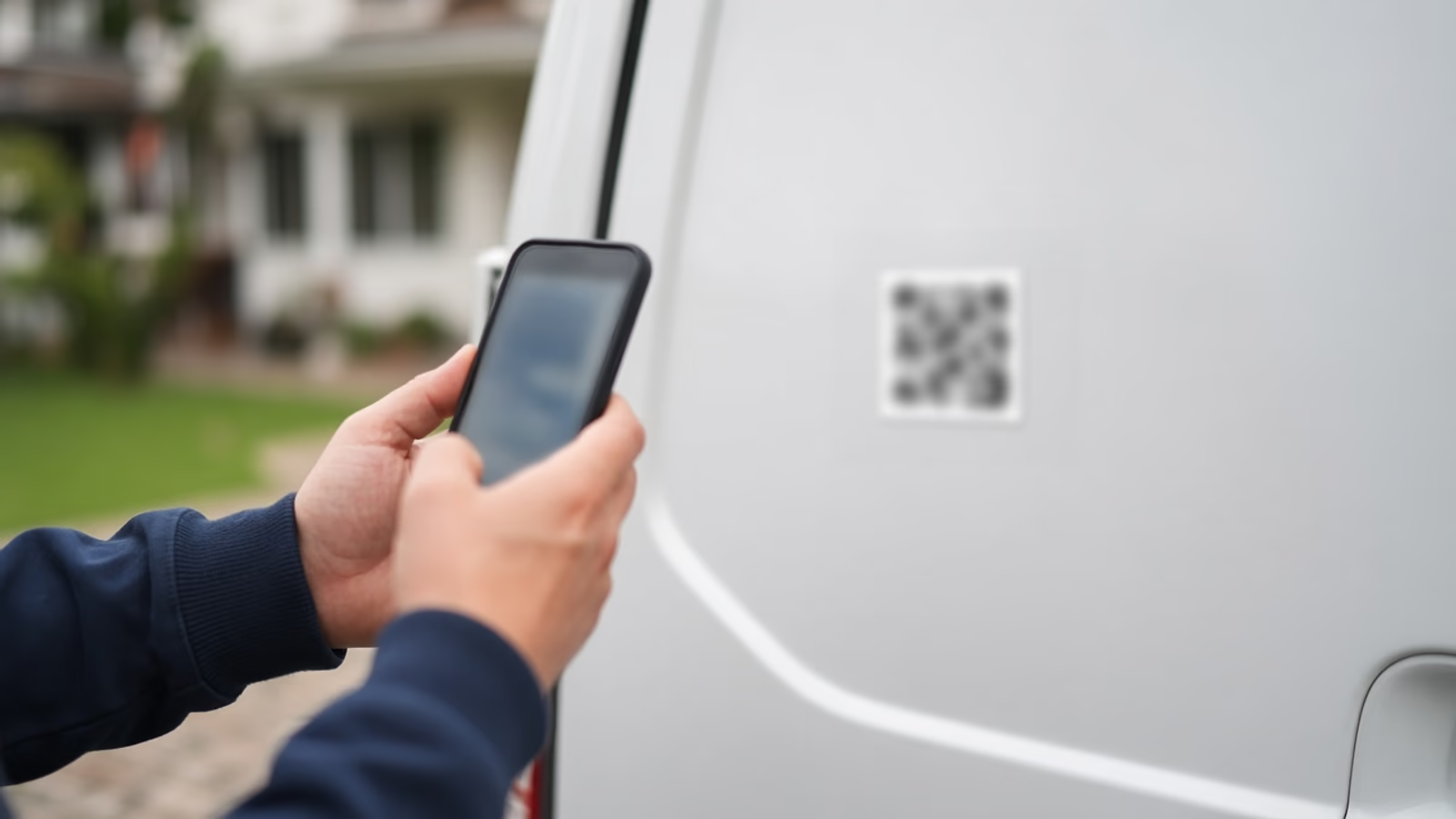
How to Get Your Google Review Link and QR Code
Copy your Google review link and QR code from your Business Profile in a few minutes, then put it on invoices, texts, trucks, cards and your own website.
· 5 min read
25C Heat Pump Tax Credit Ended: What to Fix
The federal 25C credit doesn't cover heat pumps placed in service after Dec. 31, 2025. Here's what HVAC contractors should fix on websites, quotes and ads.
· 6 min read